"If I composed this quartet, it was to escape from the snow, from the war, from the captivity, and from myself. The greatest benefit that I drew from it was that in the midst of thirty thousand prisoners, I was the only man who was not one.”
Messiaen’s Quartet for the End of Time has assumed near-mythical status since its premiere 85 years ago at a prisoner-of-war camp, performed in freezing midwinter to hundreds of fellow inmates.
With the outbreak of World War II Messiaen had been drafted into the French army but was captured in 1940 and sent to the Stalag VIII-A camp near Görlitz. There he found himself imprisoned with three other professional musicians – a violinist, clarinettist and cellist – and began writing for the unusual ensemble circumstance had thrown together.
The piece was inspired by apocalyptic visions from the Book of Revelation, but its title was double-edged: it also represented the end of a clockwork, periodic musical time that had held sway for centuries.
Though grounded in his unshakable Catholic faith, Messiaen drew on a kaleidoscope of sources, from birdsong to his own synaesthesia, which enabled him to ‘see’ harmony in colour. Both radically modern and spiritually transcendent, it is a work like no other.
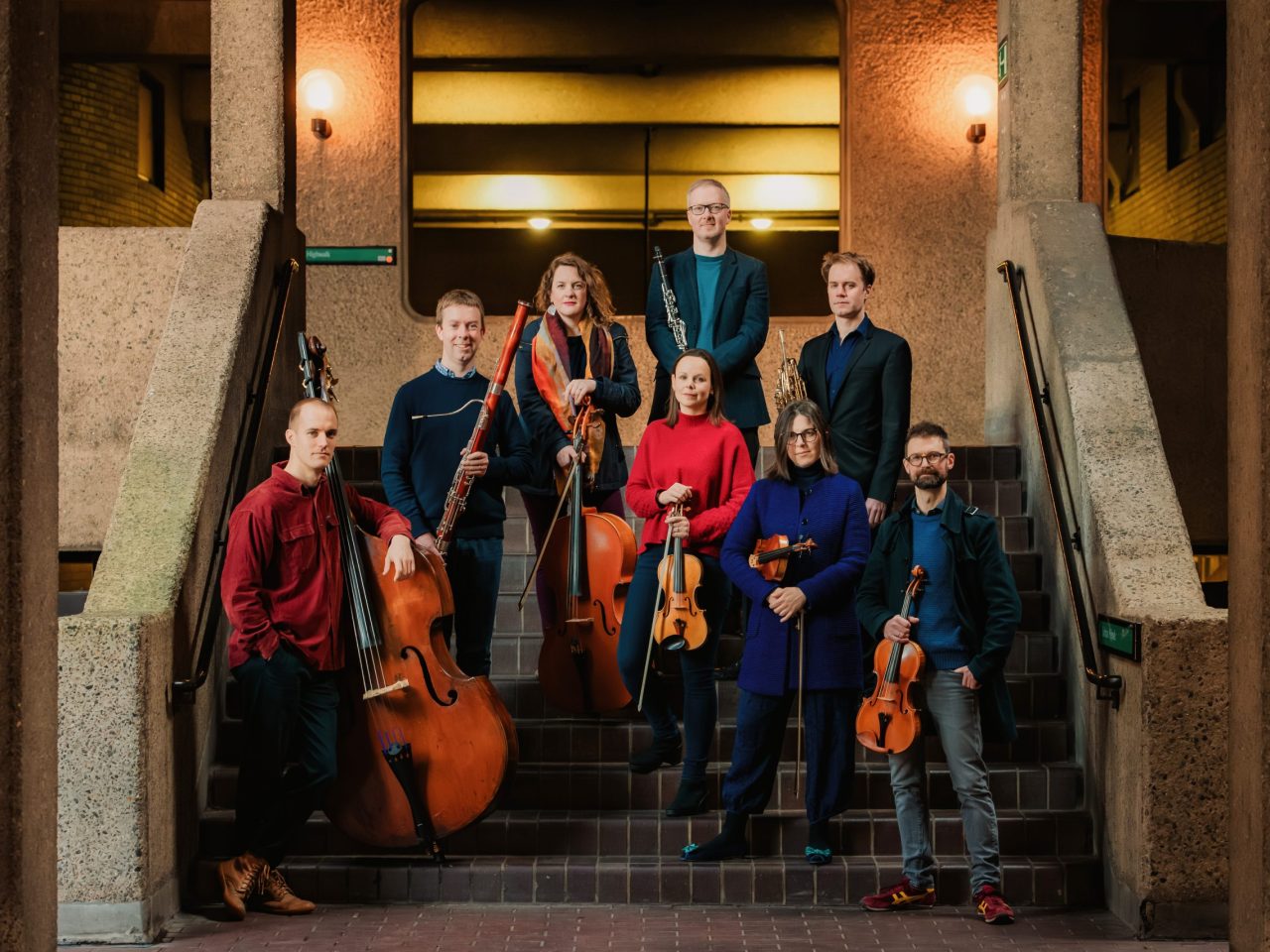
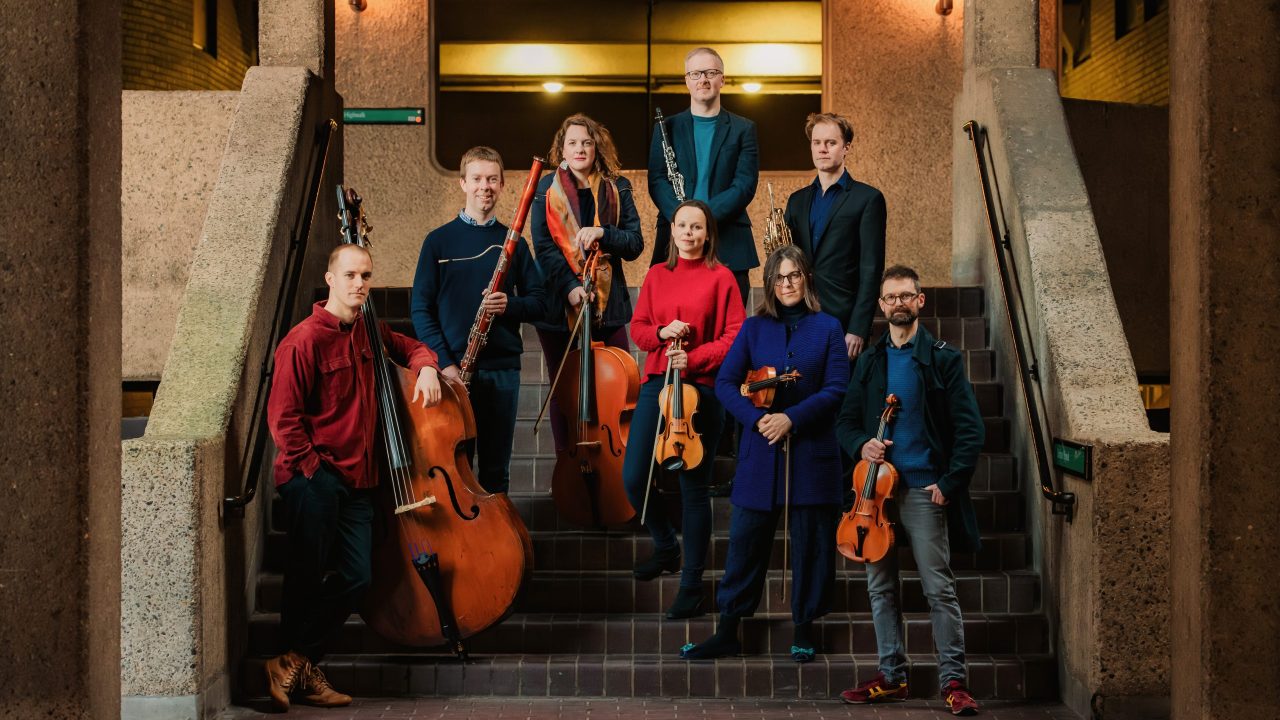
Image© Liz Isles Photography