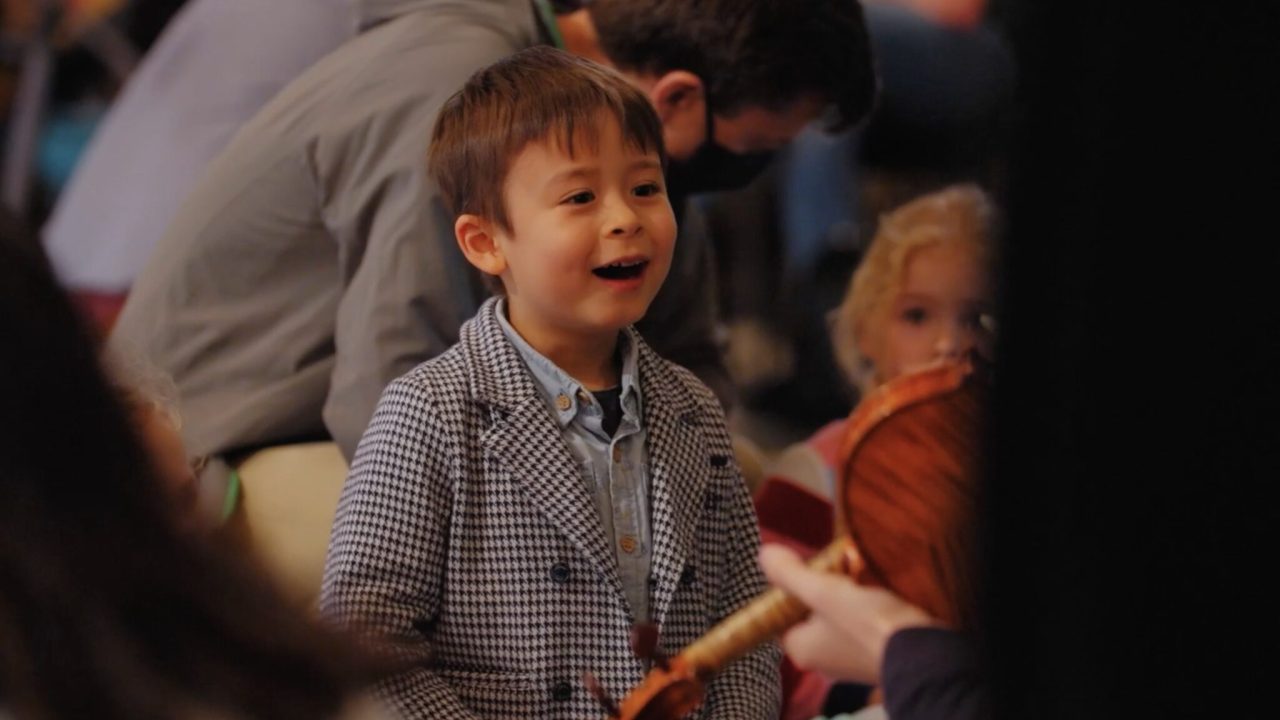
At the beginning of the new year, we were joined by a group of industry-leading professionals for a panel discussion exploring one of the most relevant topics to date. From free music lessons and conservatoires to invisible barriers and dismantling power structures, the panel share their insights and case studies.
Panel Speakers:
Roger Wilson (Panel Chair) Black Lives in Music, Director of Operations and Co-Founder
Miranda Francis Royal College of Music, Head of Junior Programmes
Talia Lash London Philharmonic Orchestra, Education and Community Director
Daisy Swift Fairbeats Music, Interim CEO, and Wigmore Hall, ex-Director of Learning and Participation
Martha McBean Sinfonia Smith Square, Learning and Participation Manager, and freelance music educator
Dr Nicole Crespo O’Donoghue Head of Strings at Westminster City School
Introducing classical music early into a child’s life is a thread which weaves through this evening’s conversation. Panellist Martha McBean, Learning and Participation Manager at Sinfonia Smith Square, states that throughout the country, music education is extremely inconsistent in schools. Dr Nicole Crespo O’Donoghue, Head of Strings at Westminster City School, observes that students are arriving in year 7 with significantly less musical education than years prior, due to insufficient accessible music education in early years and primary school age.
As we all know, learning a musical instrument is not cheap, and for many the economic burden is too much. An audience member, a head teacher at a London based-school, shares that she believes that the expense of learning and participating in classical music is the number one barrier for her students. This is why her school provides free sheet music, pays for grade exams, and loans their students instruments. She shares that the school is an anomaly in her local authority, and without taking that barrier away, she asks, “How do you ever level the playing field?”.
There are many reasons that might stop individuals from exploring classical music; therefore, reducing barriers is essential to diversifying pathways into classical music-making. The discussion underscores the importance of organisations implementing comprehensive programs for children to participate in.
London Philharmonic Orchestra’s Junior Artist Programme is an example of this. The program is outside of school hours and musicians benefit from a range opportunities, including free lessons, workshops, specialist mentoring and behind-the-scenes work experience. Talia Lash, Education and Community Director at LPO, shares that 10 years after the programme started, her team have seen alumni completing music degrees, play professionally in orchestras, and work in the industry. They are therefore now starting to see real impact from their Junior Artist Programme and will continue to monitor this over the coming years.
An orchestra has an inherently hierarchical structure, and it can bleed into how classical music can be influenced and experienced. Recruitment and application processes are aspects that are essential to assess. Asking “What’s unfair about this? Who benefits from the current system, and who’s being excluded?” can start the conversation. We learn that small differences made can have a big impact; for example, the language used, where you advertise opportunities, who’s on the panel for entry exams, and what type of repertoire you teach students all add up and contribute to increasing the diversity.
Having a team that is diverse enough to understand the challenges that people face is a key facet to reducing barriers into the world of classical music. Roger Wilson, co-founder of Black Lives in Music, urges organisations to look at what resources that are available, and no matter how small, can make the difference, drive change and build relationships.
Sometimes disrupting norms can take bravery, and although the industry has taken strides in the right direction, there is always more work to be done when it comes to inclusivity in the industry. Some individuals might want to speak up, ask difficult questions or raise concerns but feel unsafe to do so due to unequal power structures. Daisy Swift, interim CEO of Fairbeats! Music states it’s the organisations and managers that hold the responsibility and to demonstrate that they are safe spaces for these types of conversations.
Listening and receiving feedback is part of the process when rethinking pathways into classical music. For classical music to become sustainable and equal, music and arts organisations must be able to reflect and listen to feedback, the panel agrees.
Communication and connectivity are an import pilar of the discussion, mentioned multiple times, with an emphasis on freelancers, orchestras, students, teachers and educators connecting and purposefully being part of the solution together.
Using data to measure success has its strengths and weaknesses, with each of the panellists having their own experience with using data for evaluating. While data can be useful as a tool, the panel agree that it’s the lived experience that truly matters and that numbers can only tell you so much, summarised well by Miranda Francis, Head of Junior Programmes at the Royal College of Music: “We are not about pie charts; we’re about the quality of engagement, fun, creativity and empowerment.” On the other hand, making changes to their development scheme, Talia Lash shares how measurable pieces of information have been fundamental for future decision-making and evidence-building.
After much discussion of the importance of communication between different organisations, an audience member, a chair of a music trust, asks, “Where is the synergy? Where do we (music education services) all come together to have an amplified voice?”. Daisy Swift recommends three great resources: Sound Connections, A New Direction and Arts Council England. Each provide a platform for music and creative opportunities for young people and can be used to share and advertise these opportunities.
The final thoughts of the evening conclude in agreement of the importance of organisations connecting with each other, on going commitment for change, fostering a sense of belonging at every level of engagement, and a deep understanding that change within the industry is a long-term commitment. It has been fascinating to listen to the diverse ways organisations approach this topic; what is clear is the shared dedication and collective responsibility required for the future of classical music to flourish.
Panel Talk summary notes by Aoife Kelly.